
"regional environment"
7000 article(s) found

Introduction to the production process of sour Panamanian Coffee Flavor description of planting Environment
Panamanian coffee is famous for the rosy summer of the Emerald Manor, which is also famous in the Boquete region of its Chiriqui province. Poquet Boquete is a town of Chiriqui in the province of Riki. It is located near the border between Panama and Costa Rica, near the famous Baru Baru volcano.

Description of Minas Coffee Bean Flavor in Brazil introduction to the growing environment of brands in the region
Brazil Minas Coffee Bean Flavor description Brand growing Environment Brazil is vividly likened to the giant and monarch of the coffee world. There are about 3.97 billion coffee trees there, and small farmers now grow 75% of Brazil's total coffee production. Brazil produces twice or even three times as many coffee as Colombia, which is the second largest coffee producer in the world.

Volcanic Environment Effects on Coffee Guatemala Volcanic Region Antigua Coffee Bean Flavor Characteristics
Fertile volcanic soils, low humidity, plenty of sunshine and cool nights characterize the region and are home to some of Guatemala's most extraordinary coffees. The valley surrounding Antigua (hence the name of the area) is surrounded by three volcanoes: Agua, Fire and Acatango. Every so often, Fuego, one of Guatemala's three active volcanoes,

Description of Flavor and Flavor of Coffee planting Environment introduction to Regional treatment of Coffee Variety
Description of taste and flavor of coffee tree planting environment and characteristics of coffee varieties the regional treatment method introduces that under the condition of good management, coffee begins to bear fruit in the third year after planting. The fertilization of adult coffee fruit trees should be mainly nitrogen and potassium fertilizer, and properly combined with phosphorus fertilizer and other elements. The effect of applying potash fertilizer from July to August is the best. Fruiting trees are generally fertilized 5 times a year, from February to March (flowering) and 4 ~

Brazilian boutique coffee bean manor the planting environment and flavor of Huangbourne in Minas Rishina region
Professional coffee knowledge exchange more coffee bean information please follow the coffee workshop (Wechat official account cafe_style) Brazilian boutique coffee bean manor beans Minas Rishina production area Huangbourne planting environment and taste characteristics? Brazil CHACAL ESTATE Yellow Bourbon Farm: Aguas Claras Farm varieties: Huangbourne Yellow Bourbon, etc.

Introduction of Panamanian Poquet Flower Butterfly Coffee beans with unique planting Environment
In the Pokuit producing area, there are also many excellent manors, except the famous Emerald Manor, Alida Manor, Aqaba Manor and so on, all of which produce high-quality boutique coffee. This is not only due to the superior ecological conditions of the Pokuit region of Panama and the fertile volcanic ash soil of the Baru volcanic land. Another important factor is that in Bana

Yunnan Tieka Coffee Bean planting Environment Regional Flavor description Taste Manor
Yunnan Tieka coffee bean planting environment flavor description taste manor introduced that China's coffee cultivation is concentrated in Yunnan Province and Hainan Province. Yunnan has a large output, with an annual output of about 26000 tons in recent years, accounting for 90% of the national output. It is said that Yunnan coffee came from the French 70 or 80 years ago. The main variety is Arabica Arabica, the so-called small seed coffee, commonly known as Yun in China.

Introduction to the varieties of Sumatran Coffee by describing the Flavor of the region in the Geographical planting Environment
The geographical planting environment and regional flavor description of Sumatran coffee varieties introduce that Mantenin coffee beans have large particles and hard beans, and are prone to defects in the process of planting, and they are usually subject to strict manual selection after harvest. If the control process is not strict enough, it is easy to cause the quality of the good and the bad to be mixed, and the different degree of baking will also directly affect the taste, so it has become controversial.

Panamanian Coffee Manor Jade Manor planting Environment
In the Pokuit producing area, there are also many excellent manors, except the famous Emerald Manor, Alida Manor, Aqaba Manor and so on, all of which produce high-quality boutique coffee. This is not only due to the superior ecological conditions of the Pokuit region of Panama and the fertile volcanic ash soil of the Baru volcanic land. Another important factor is that in Bana

Growing environment in the Andes, a coffee-growing region in Colombia
The suitable climate in Colombia provides a real natural pasture for coffee. Coffee trees in Colombia are mainly cultivated in the Andes, on steep slopes about 1300 meters above sea level, where the annual temperature is about 18 degrees Celsius, annual rainfall is 2000 to 3000 millimeters, latitude 1-11 15 north, longitude 72-78 west, and the specific range of elevation can exceed 2.000 meters. By

Flavor and taste of Panamanian boutique coffee beans introduction to the planting environment of Rosa coffee in manor area
Panamanian coffee is famous for the rosy summer of the Emerald Manor, which is also famous in the Boquete region of its Chiriqui province. Poquet Boquete is a town of Chiriqui in the province of Riki. It is located near the border between Panama and Costa Rica, near the famous Baru Baru volcano.

Colombia Fine Coffee Beans Vera Province Snail Manor Round Beans PB Wash Beans Growing Environment and Mouth
Professional coffee knowledge exchange More coffee bean information Please pay attention to coffee workshop (Weixin Official Accounts cafe_style) Colombia fine coffee beans Vera snail manor round beans PB washed beans planting environment and taste characteristics? Colombia Vela snail estate washed round beans Caturra species 1700M Flavor description: ripe plum fruit, caramel sauce, toast sweet

Flavor description of Salvadoran coffee beans introduction to the planting environment of the regional treatment method for producing varieties
The flavor of Salvadoran coffee beans describes the taste of the varieties produced in the region and the planting environment introduces the rise of the sea between the Atlantic Ocean, symbolizing the five countries of Central America. The pole of freedom and the red cap of freedom stand high on the top of the mountain, radiating the light of freedom and liberation. Jin Guangzhong September 15, 1821 was the day of El Salvador's independence, and the rainbow in the sky overflowed with joy and hope. Five-sided Central American Union
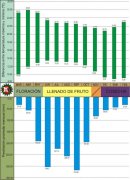
Geographical environment of Honduran coffee producing area in Central and South America cup test of Honduran coffee bean varieties
Honduran coffee has an excellent flavor. Caf de Honduras is synonymous with its people, traditions and living in harmony with the environment. Coffee production is a way of life for more than 100000 families who benefit from the production of this agricultural product. The vast majority of coffee produced in Honduras comes from 210 of the country's 298 municipalities and 15 of the 18 provinces.

In addition to the variety and environment, there are other reasons why Sunshine Huakui has won the championship for its excellent quality.
Professional barista exchanges please follow the coffee workshop (Wechat official account cafe_style) origin profile: Ethiopia's administrative region is divided into four levels, the order from big to small is Region, Zone, woreda, kebele, most of the raw coffee bean names follow this rule to name, this launch Guji-Shaquiso is located in the southeast of the well-known producing area, in the

Yerga Shefi Kocher Coffee Flavor Description Grind Characteristics Variety Growing Environment Region Name Zhuang
Yirgacheffe Flavor Description Region: Yirgacheffe Variety:Heirloom Altitude:1900 ~ 2000M Treatment: Wash Cup Test Information: Fruit aroma, floral fragrance, full aftertaste, bright sweet, fruit acid Cup Test Score: Total score 81.5 Ethiopia implemented a new trading and grading system in November 2009. In addition to Yirgacheffe, three new sub-producing areas such as Kocher were added.

Panamanian coffee growing environment
The microclimate of the Panamanian highlands is the most important resource that makes Panamanian coffee unique. The most important resource that makes Panamanian coffee unique is its microclimate. The east-west environment of the Republic of Panama allows cold air to flow through the Central Mountains and converge above 6500 feet, creating a variety of microclimates in the Boquete and Volcn Candela regions.

Panamanian Coffee Manor Caesar Louis Manor Variety planting in Panamanian Coffee Manor A brief introduction to Climate and altitude
Another important factor is that the microclimate in the Poquet Heights of Panama is a unique and important resource for boutique coffee in the Pokuit region; this is the east-to-west environment of Panama that allows cold air to converge above 6500 feet through the Central Mountains, which creates a variety of microclimates in the Pokuit region, making its temperature and rainfall very suitable for plant growth.

Introduction to the planting environment of variety manor in Cupid coffee producing area with elegant flavor
In the Pokuit producing area, there are also many excellent manors, except the famous Emerald Manor, Alida Manor, Aqaba Manor and so on, all of which produce high-quality boutique coffee. This is not only due to the superior ecological conditions of the Pokuit region of Panama and the fertile volcanic ash soil of the Baru volcanic land. Another important factor is that in Bana

Panamanian Coffee unique growing Environment quality Highland Coffee beans
The microclimate of the Panamanian highlands is the most important resource that makes Panamanian coffee unique. The most important resource that makes Panamanian coffee unique is its microclimate. The east-west environment of the Republic of Panama allows cold air to flow through the Central Mountains and converge above 6500 feet, creating a variety of microclimates in the Boquete and Volcn Candela regions.